Mold Types Glossary | MoldWarden
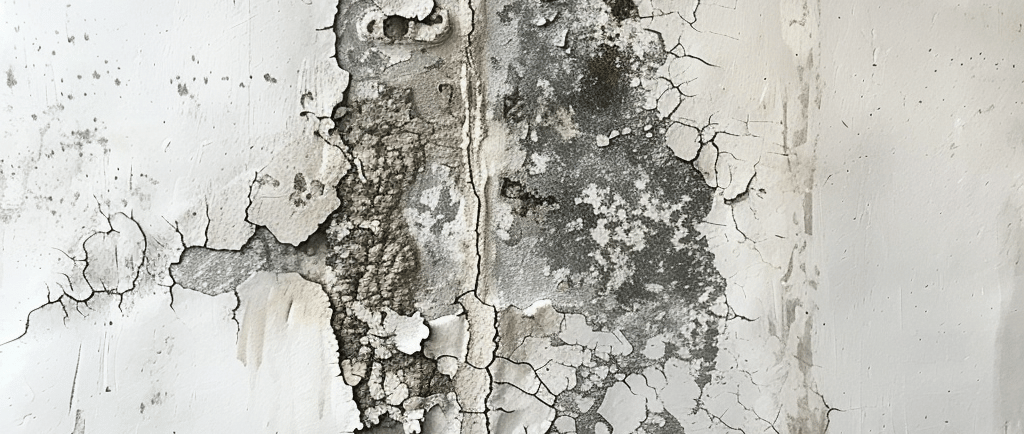
Not all mold is created equal. Use this guide to identify some common species—and know when to call a pro. MoldWarden serves Solana Beach, Carlsbad, Encinitas, and North San Diego County.
Fusarium
Appearance: Pink/white cottony growth.
Risk: High. Can infect eyes/nails.
Found in: Carpeting, humidifiers.
Aureobasidium
Appearance: Pink/brown, turns black.
Risk: Low. Skin irritant.
Found in: Window caulk, painted surfaces.
Trichoderma
Appearance: White/green woolly patches.
Risk: Moderate. Destroys wood.
Found in: Damp wood, wallpaper glue.
Serpula lacrymans
Appearance: Rust-colored, slimy.
Risk: High. "House-eating mold."
Found in: Structural timber.
Ulocladium
Appearance: Black, similar to Stachybotrys.
Risk: Moderate. Indicates water damage.
Found in: Kitchens, bathrooms.
Mucor
Appearance: White/gray, fluffy.
Risk: High. Can infect lungs.
Found in: HVAC systems, ductwork.
Found one of these molds? Schedule a professional inspection to stay safe.
Mold Types Glossary: The Most Common Mold Species Found in North County Homes
When a mold inspection includes air sampling, the laboratory report comes back with names like Cladosporium, Aspergillus, Penicillium, and Stachybotrys alongside spore counts per cubic meter. For most homeowners those names mean nothing — and that's a problem, because the species identified and their concentrations relative to the outdoor baseline are what determine whether action is needed. This glossary explains the most commonly found mold genera, what their presence indicates, and what it doesn't.
How to Read a Mold Report
Before getting into specific species, it's worth understanding how lab results are interpreted. MoldWarden uses Sporecyte's ISO/IEC 17025:2017 accredited laboratory for all air sample analysis. Results show spore counts per cubic meter for each genus or species identified in each sample.
The critical comparison is always indoor versus outdoor. Every inspection that includes air sampling collects both an indoor sample and an outdoor control sample taken the same day at the same property. The outdoor sample establishes what's naturally present in the air outside that specific home on that specific day. Elevated means indoor counts that significantly exceed the outdoor baseline — not simply that a particular species is present, since most common mold genera are found in outdoor air everywhere.
Common Mold Genera and What They Indicate
Cladosporium
One of the most common mold genera found in both indoor and outdoor air samples worldwide. Its presence alone in indoor samples is rarely significant — it's found virtually everywhere outdoors and its presence indoors typically reflects normal infiltration of outdoor air. When indoor Cladosporium counts significantly exceed outdoor baseline levels, it may indicate an indoor moisture source, but isolated Cladosporium at levels comparable to outdoor counts is generally not a cause for concern.
Aspergillus and Penicillium
These two genera are typically reported together because they're difficult to distinguish under standard microscopy. They're among the most commonly found indoor mold species and can indicate elevated moisture conditions when present at levels above the outdoor baseline. Some species within these genera are associated with health effects in sensitive individuals, particularly those with respiratory conditions or compromised immune systems. When indoor Aspergillus/Penicillium counts are significantly elevated relative to outdoor baseline, investigation of moisture sources is warranted.
Stachybotrys
Often called "black mold" in popular usage, Stachybotrys is significant because it requires sustained, chronic moisture to establish — it cannot grow from brief or minor moisture events. Its presence indicates a longer-term water issue rather than a recent event. Stachybotrys is relatively uncommon in air samples because its spores are heavy and don't become airborne easily, which means its absence from an air sample doesn't rule it out — surface sampling may be more appropriate when Stachybotrys is suspected.
Chaetomium
Like Stachybotrys, Chaetomium requires chronic moisture to establish. Its presence is significant because it definitively indicates sustained water exposure over time, not a brief moisture event. Chaetomium is commonly found in water-damaged drywall and is associated with chronic roof leaks, long-term plumbing leaks, or persistent foundation moisture.
Alternaria
A common outdoor mold that's frequently found in indoor samples at levels reflecting outdoor infiltration. Elevated indoor levels relative to outdoor baseline can indicate moisture issues, particularly in bathrooms, kitchens, and areas with water damage history. Alternaria is one of the more common mold allergens.
Basidiospores
Basidiospores come from mushrooms and bracket fungi and are a normal component of outdoor air. Their presence in indoor samples typically reflects outdoor air infiltration rather than an indoor mold source. Elevated indoor levels are uncommon and would warrant further investigation.
What Species Identification Does and Doesn't Tell You
Species identification tells you what genera are present and at what concentration relative to outdoor baseline. It does not definitively identify the moisture source — that requires the physical inspection using thermal imaging and moisture meters. And it does not determine the remediation method — that decision is based on the scope and location of affected materials, not species identity.
This is why a complete mold assessment combines visual inspection, moisture metering, thermal imaging, and air sampling together rather than relying on any single method alone.
For North County homeowners, Carlsbad mold testing and mold inspection in Oceanside use the same ISO-accredited laboratory analysis, and every report translates the raw spore counts into plain-language guidance — whether levels are within normal range, warrant monitoring, or require professional remediation. The same thorough process applies to mold testing in Encinitas and Vista mold inspection throughout North San Diego County.
MoldWarden is inspection-only — no remediation services — so every report reflects independent findings with no financial incentive to find actionable results.
If you have a mold report and want help understanding what it means, or if you'd like a professional inspection and air sampling done in your North County home, visit our Carlsbad, Oceanside, Encinitas, or Vista service pages, or read our Complete Guide to Mold Inspection and Testing in North San Diego County
Contact
Quick links
Monday - Friday 9AM-4PM
Saturday 10AM-2PM
Business Hours
2057 Friendly Drive
Vista, CA 92084